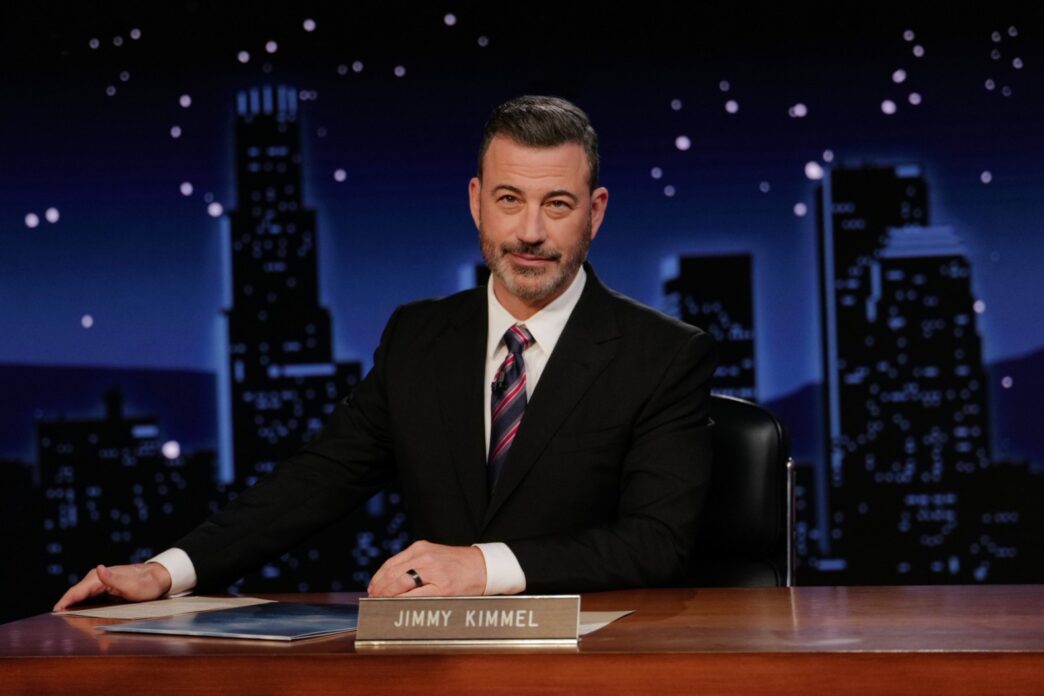
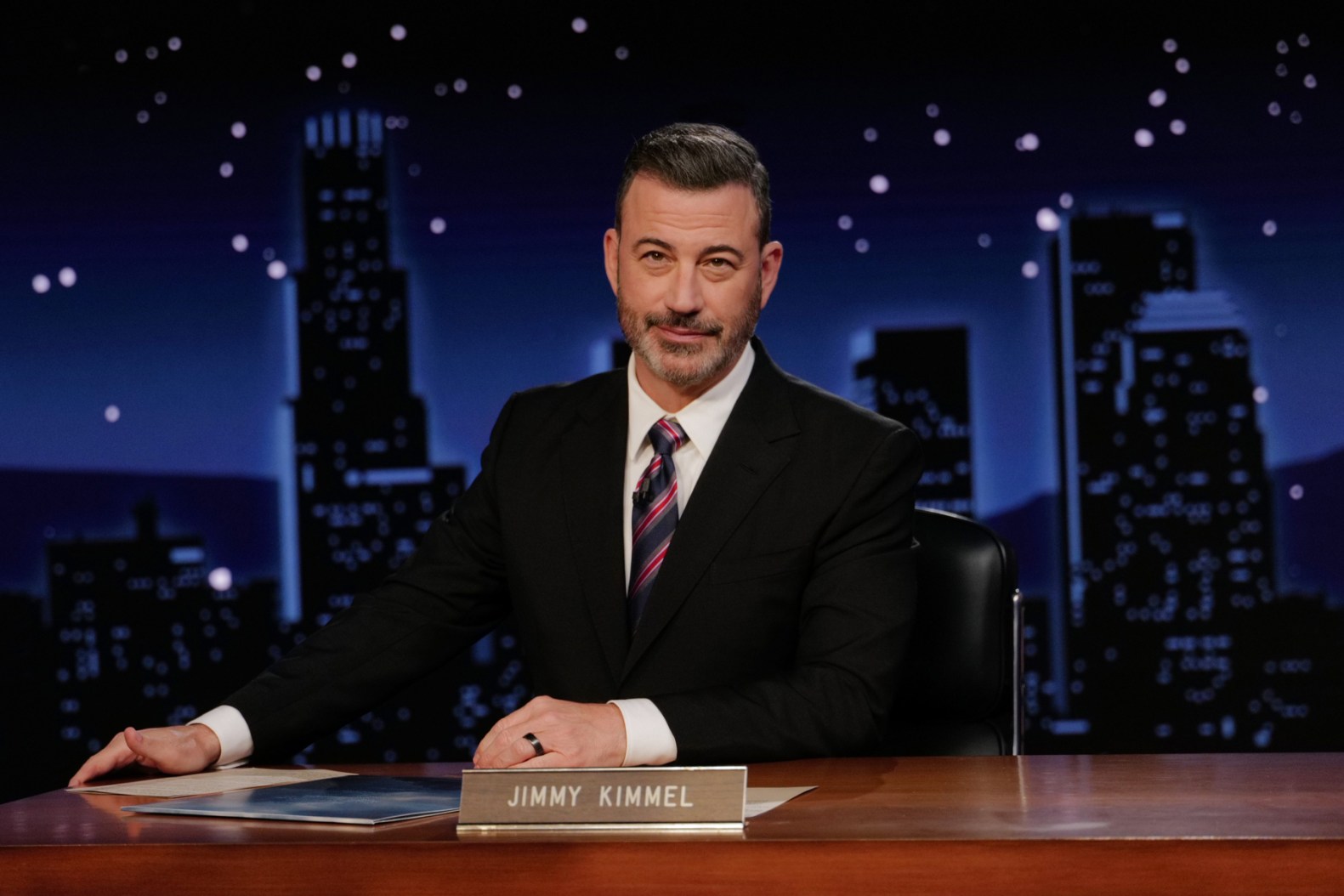

The recent suspension and reinstatement of late-night host Jimmy Kimmel by ABC, owned by The Walt Disney Company, has become more than a media controversy – it has evolved into a governance challenge. Two activist shareholders, the American Federation of Teachers and Reporters Without Borders, have invoked their rights under Delaware law to inspect Disney’s decision-making records, alleging that political pressure and affiliate influence may have driven the company’s actions.
This episode highlights a broader shift in corporate accountability. Shareholder activism is no longer confined to balance sheets or executive pay. Increasingly, it is extending into questions of free speech, political influence, and reputational risk. For corporate leaders, the case illustrates how activist investors are positioning themselves as guardians of governance, using legal tools to probe whether boards and executives are truly acting in the best interests of the company and its stakeholders.
Shareholder Rights in Action
The demand issued to Disney was made under Section 220 of the Delaware General Corporation Law, a statute that gives shareholders the right to inspect a company’s books and records for a “proper purpose.” Traditionally, this provision has been used in disputes over financial mismanagement or executive compensation. In this case, however, activist shareholders are applying it to a politically charged programming decision.
The request goes far beyond financial ledgers. It seeks board minutes, internal communications, risk assessments, affiliate agreements, and even director independence questionnaires relating to the suspension of Jimmy Kimmel Live! By doing so, the shareholders are asserting that reputational harm and political interference are legitimate grounds for testing whether directors have upheld their fiduciary duties.
For corporate leaders, the lesson is clear: decisions once considered part of a company’s internal discretion – such as programming, talent management, or responses to political pressure – may now be subject to forensic scrutiny by shareholders. The scope of what counts as “proper purpose” in governance oversight is expanding, and with it, the exposure of boards to activist intervention.
Fiduciary Duties Under the Microscope
At the heart of the demand is the claim that Disney’s board and executives may have breached their fiduciary duties by placing political or affiliate considerations above the interests of shareholders. The activist investors argue there is a “credible basis” to suspect failures of loyalty, care, and good faith in the decision to suspend Jimmy Kimmel Live! following the host’s controversial monologue.
This allegation elevates the issue from a reputational misstep to a potential governance failure. If the board is seen as yielding to external political threats or affiliate pressures rather than acting in the best interests of the company, it could face derivative litigation brought on Disney’s behalf. Such lawsuits, even if unsuccessful, can damage confidence in board independence and expose sensitive decision-making to public scrutiny.
For corporate leaders, the risk is not only legal but also symbolic. Allegations of fiduciary breaches erode trust among shareholders, investors, and regulators, signalling that a company’s leadership may lack the independence and resilience expected in navigating politically sensitive challenges.
The Convergence of Politics and Corporate Risk
The Disney case illustrates how political dynamics can rapidly intrude into corporate governance. The suspension of Jimmy Kimmel Live! followed threats from the Chairman of the Federal Communications Commission, coupled with affiliate broadcasters Nexstar and Sinclair refusing to air the show. Against the backdrop of Nexstar’s pending merger with Tegna, the decision carried implications not only for broadcasting relationships but also for regulatory approvals.
Shareholders argue that these political and commercial pressures may have shaped Disney’s response, creating the perception that the company was prioritising regulatory expediency over long-term shareholder value. This perception was reinforced when President Donald Trump publicly threatened ABC after the show’s reinstatement, suggesting ongoing political risk for Disney’s media operations.
For corporate leaders, the episode underlines a critical shift: political interventions are no longer external risks to be managed at the margins. They are now central to governance accountability, with activist shareholders prepared to challenge whether boards are sufficiently independent when navigating government pressure, regulatory influence, and politically sensitive content.
Reputation, Markets, and Activist Pressure
The fallout from Disney’s suspension of Jimmy Kimmel Live! was immediate. The decision sparked criticism as an attack on free speech, triggered boycotts, and drew union support for Kimmel. Disney’s stock fell sharply amid fears of brand damage and perceptions that the company had capitulated to government overreach. Even after the show returned to air, approximately a quarter of ABC affiliates – those owned by Nexstar and Sinclair – continued to withhold it, compounding reputational uncertainty.
Activist shareholders have capitalised on this volatility by explicitly linking reputational harm to fiduciary duty. Their demand argues that executives failed to weigh the long-term risks to shareholder value against short-term political and affiliate pressures. In doing so, they reframed reputational damage as not just a communications issue but a governance concern.
For corporate leaders, the case demonstrates how reputational crises are now fertile ground for shareholder activism. Market performance, public trust, and brand credibility can be weaponised by investors as evidence of poor governance, intensifying scrutiny of how boards respond to politically sensitive controversies.
New Players in Shareholder Activism
The Disney case is notable for who the activist shareholders are. The demand did not come from a hedge fund or a traditional activist investor seeking financial concessions. Instead, it was driven by the American Federation of Teachers and Reporters Without Borders – organisations whose mandates extend beyond financial return into broader societal concerns such as free expression and democratic accountability.
This reflects an important evolution in shareholder activism. Unions, NGOs, and advocacy groups are increasingly leveraging their positions as shareholders to push for transparency and accountability on ethical, social, and political issues. Their activism often resonates with broader public debates, making it harder for companies to dismiss such demands as narrowly financial or self-interested.
For corporate leaders, the rise of these unconventional shareholders expands the arena of accountability. Decision-making is no longer judged solely by profitability but also by its alignment with societal values. This trend positions activist shareholders as “guardians of governance,” holding boards to account on reputational and ethical grounds as much as financial performance.
Precedent for Wider Corporate Scrutiny
If successful, the Disney demand could set a precedent that extends well beyond the media sector. Shareholders in other industries – whether technology firms grappling with content moderation, energy companies facing climate litigation, or financial institutions navigating political sanctions – may adopt similar tactics. By invoking their inspection rights, activist investors can force boards to disclose internal deliberations on decisions that intertwine commercial strategy with political and ethical considerations.
This expands the concept of shareholder oversight into new territory. Once limited to accounting irregularities or executive pay, shareholder demands now reach into reputational crises, regulatory negotiations, and responses to political pressure. The risk for corporate leaders is that sensitive deliberations, once protected within the boardroom, could be opened to external review and, ultimately, public scrutiny.
The lesson is that governance frameworks must be designed not just to withstand financial inquiry but also to demonstrate independence, resilience, and transparency when political and ethical pressures come to bear. Boards that fail to anticipate this trend may find themselves confronting activist shareholders acting as de facto “shadow regulators.”
A New Corporate Risk
The Disney–Kimmel episode underscores how shareholder activism is evolving into a broader instrument of governance oversight. No longer limited to financial performance or executive compensation, activist shareholders are now probing the political, ethical, and reputational dimensions of corporate decision-making. By framing these issues as matters of fiduciary duty, they are bringing new risks into the boardroom.
For corporate leaders, the message is clear: decisions made under political or regulatory pressure will not remain shielded from shareholder scrutiny. Governance processes must be transparent, robust, and defensible – not only to regulators and markets, but also to investors who increasingly see themselves as guardians of corporate integrity.
This marks a shift in the risk landscape. Activist shareholders are emerging as powerful agents of accountability, ready to act as both watchdogs and challengers when companies are perceived to place expediency above principle. For boards and executives, the challenge will be to ensure that their decision-making can withstand not just financial analysis, but the broader test of governance in an era where politics, reputation, and shareholder rights converge.