


Previously: We analysed the new security risks businesses face in a multipolar world.
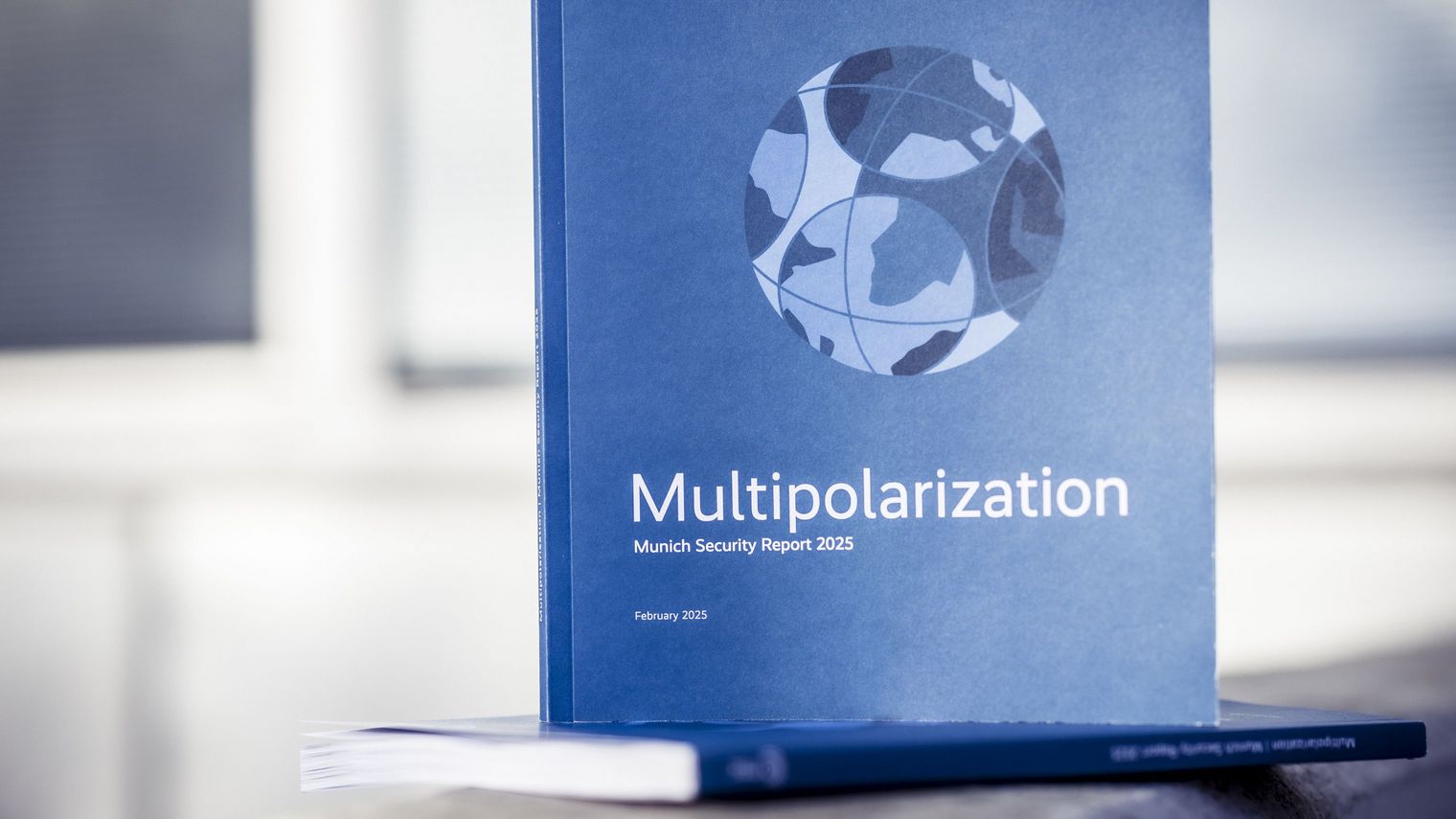
The Munich Security Conference’s 2025 Report describes multipolarization as a defining feature of today’s international system: power no longer rests in one or two capitals but is dispersed across states, regions, and non-state actors. For businesses, this is not just a geopolitical observation. It is a reminder that the old model of engaging a handful of governments and regulators is no longer sufficient.
In a fragmented order, influence is spread widely. Companies must operate in an environment where cities, regional blocs, NGOs, digital platforms, and even activist investors play decisive roles. This calls for a new strategic capability: corporate diplomacy.
The Decline of Centralised Authority
In the unipolar or bipolar eras, corporate engagement was relatively straightforward. Lobbying Washington, Brussels, or Beijing could resolve market access issues, regulatory questions, or investment disputes. Today, that clarity has disappeared.
The MSC report underscores how governance is increasingly multi-layered and decentralised. Global institutions like the UN or WTO are weakened, while regional bodies (ASEAN, AU, GCC) and issue-specific coalitions (climate alliances, tech governance groups) gain influence. At the same time, non-state actors – from civil society to tech platforms – shape rules and narratives in ways governments cannot control.
For multinationals, this means that access, legitimacy, and resilience cannot be secured by engaging governments alone. The stakeholder landscape is broader, messier, and more contested.
Why Business Needs Corporate Diplomacy
Corporate diplomacy is more than public relations or lobbying. It is the systematic engagement of businesses with political, social, and community actors to secure their licence to operate and protect long-term value. In a multipolar world, it is becoming essential for four reasons:
- Geopolitical Uncertainty: With alliances shifting, firms need relationships across jurisdictions to navigate sudden policy swings.
- Regulatory Fragmentation: Competing standards mean companies must engage regulators and standard-setters early, not just adapt later.
- Reputation as Risk Multiplier: Disinformation, activism, and polarisation make corporate legitimacy fragile. Diplomacy helps build trust across diverse audiences.
- Stakeholders as Power Centres: Cities, NGOs, and supranational bodies increasingly dictate rules – from emissions targets to digital ethics.
New Arenas of Engagement
Cities and Regions
Urban governments are at the forefront of climate adaptation, digital regulation, and infrastructure investment. For example, mayors’ alliances often move faster on sustainability commitments than national governments. Companies must build relationships at the sub-national level, tailoring strategies to local priorities.
NGOs and Civil Society
Civil society organisations wield growing influence in shaping public opinion and regulatory agendas. Engagement cannot be transactional or reactive. Businesses must approach NGOs as long-term stakeholders – partners where possible, constructive critics where necessary.
Digital Platforms
Tech giants now control critical infrastructure for communication and commerce. They are not only business partners but quasi-sovereign actors whose decisions on algorithms, content moderation, and data storage carry political consequences. Companies must engage with them diplomatically, not just commercially.
Multilateral and Regional Forums
Even as global institutions fragment, issue-specific forums – from the Paris climate process to digital governance consortia – offer channels for influence. Active participation in these spaces positions firms as standard-setters rather than rule-takers.
The Tools of Corporate Diplomacy
Corporate diplomacy requires new capabilities inside companies. It is not enough to expand government affairs departments; it calls for integrated, board-level strategies.
- Political Intelligence: Systematic monitoring of political trends across jurisdictions, feeding into strategic planning.
- Stakeholder Mapping: Identifying not only governments but also local actors, NGOs, and informal influencers who shape outcomes.
- Narrative Management: Developing consistent, values-driven messaging that can withstand scrutiny across multiple audiences.
- Coalition Building: Forming alliances with peers, industry groups, and non-traditional partners to influence emerging standards.
- Crisis Preparedness: Integrating diplomatic engagement into crisis response, ensuring companies have credibility when disruption strikes.
The Risks of Neglect
Companies that fail to invest in corporate diplomacy risk being blindsided. A regulator influenced by activist campaigns may impose sudden restrictions. A city government may block operations seen as inconsistent with local priorities. A disinformation campaign may erode trust faster than communications teams can respond.
In multipolar systems, where no single authority can settle disputes, the absence of broad stakeholder legitimacy leaves companies dangerously exposed.
Building Corporate Diplomacy into Governance
Corporate diplomacy must move from being a reactive function to a strategic discipline embedded in governance. This means:
- Boards recognising diplomacy as a fiduciary issue linked to risk and value creation.
- CEOs treating stakeholder engagement as a leadership responsibility, not an afterthought.
- Companies developing internal talent capable of navigating political complexity with credibility.
- Integrating corporate diplomacy with ESG, compliance, and crisis management functions to ensure coherence.
From License to Lead
In a multipolar world, businesses cannot rely on governments to secure stability. They must take responsibility for their own legitimacy, resilience, and influence. Corporate diplomacy offers the means to do so: engaging broadly, building trust, and shaping standards rather than reacting to them.
The Munich Security Conference is clear that power is dispersing. For business leaders, the implication is equally clear: success will depend not just on financial performance but on the ability to navigate political and social complexity. Those who invest in corporate diplomacy will not only safeguard their licence to operate; they will position themselves to lead in the fractured landscape of multipolarization.
Next: In our final piece, we outline the leadership agenda for boards and CEOs – how to turn resilience and adaptability into competitive advantage.